Introduction
Do you wake up feeling exhausted even after 7 to 8 hours of sleep? If you keep asking yourself how to increase energy levels naturally, you are not alone.
Many people experience low energy despite getting proper rest and wonder why they are still tired after enough sleep. This is usually not about how long you sleep. It is about sleep quality, lifestyle habits, and hidden health factors that quietly drain your body throughout the day.
In this guide, you will learn the real causes of low energy and practical, natural ways to restore your vitality, and how to Live A Healthy Life Naturally with insights from H/Dr. Asia Nazir of Binte Shifa Clinic, Multan, where patients across South Punjab are treated for chronic fatigue, sleep issues, and stress-related conditions through a personalized homeopathic approach.
Why Are Your Energy Levels Low Even After Sleeping?
Getting adequate sleep does not always mean your body is truly resting. The problem often lies in the difference between sleep quality and sleep quantity.
Sleep happens in cycles, and each cycle includes deep sleep and REM sleep stages where your body repairs tissues, balances hormones, and restores mental energy. If these stages are disrupted, your body wakes up tired even after a full night in bed.
Your energy levels may be low if:
- Your sleep is interrupted multiple times during the night
- You are not reaching deep sleep or REM stages
- You use screens before bed, which suppresses melatonin production
- Your sleep schedule is inconsistent and confuses your body clock
- You consume caffeine, heavy meals, or sugary food close to bedtime
This is why you may experience fatigue even after a full night’s sleep, and why simply sleeping longer rarely solves the problem.
Common Causes of Low Energy and Daytime Sleepiness
If you often wonder why your energy levels are low all day, these are the most common reasons behind it.
Poor Sleep Quality
Even 8 hours of poor sleep can leave you exhausted. When your body cannot complete its full sleep cycles, it misses out on essential repair processes that normally restore energy. Common factors that disturb sleep quality include:
- Late-night screen use that delays melatonin release
- Noise, light, or an uncomfortable sleeping environment
- Irregular sleep timing that disrupts the circadian rhythm
- Heavy dinner or caffeine intake close to bedtime
Stress and Mental Fatigue
Chronic stress keeps your mind active, preventing deep rest. When you stay in a constant state of worry or pressure, your body releases cortisol throughout the day. Over time, elevated cortisol levels disturb your sleep cycle, drain your mental reserves, and lead to:
- Reduced mental clarity and slower thinking
- Difficulty focusing on tasks for extended periods
- Constant tiredness that does not improve with rest
- Emotional exhaustion and reduced motivation
Poor Diet and Dehydration
Your body needs proper fuel to produce energy at the cellular level. Skipping meals, eating processed foods, or relying on sugar and caffeine for quick boosts can cause sharp blood sugar fluctuations, which leave you feeling drained an hour later. Common signs of diet-related fatigue include:
- Low energy despite getting enough sleep
- Sudden weakness or sluggishness after meals
- Blood sugar imbalance, especially in the afternoon
- Frequent cravings for sweets or caffeine
Dehydration is another silent cause. Even a 2 percent drop in body water can reduce concentration, slow circulation, and create a feeling of constant tiredness.
Lack of Physical Activity
It may sound illogical, but a sedentary lifestyle reduces stamina rather than preserving energy. When the body is inactive for long periods, blood circulation slows down, oxygen delivery to muscles and the brain decreases, and the production of endorphins and other mood-boosting hormones drops. This leads to:
- Sluggishness and stiffness during the day
- Reduced circulation and lower oxygen flow
- Weaker muscles and quicker exhaustion from small tasks
- Disturbed sleep at night due to lack of physical tiredness
Underlying Health Issues
Sometimes low energy is not just a lifestyle issue. It is a signal of a deeper health imbalance that needs proper attention. Persistent fatigue can be linked to:
- Hormonal imbalances such as thyroid dysfunction
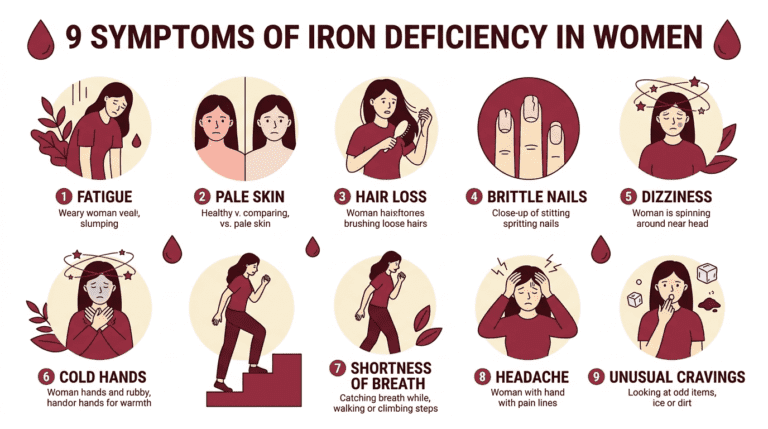
- Nutrient deficiencies, particularly iron, Vitamin D, and Vitamin B12
- Anemia, especially common in women
- Side effects of long-term medications
- Chronic conditions like diabetes or sleep apnea
If lifestyle changes do not improve your energy within a few weeks, it is worth investigating these possibilities through proper evaluation.
Symptoms of Low Energy Despite Good Sleep
Recognizing symptoms can help you understand the problem better and seek the right solution at the right time. Common signs include:
- Constant fatigue that does not improve with rest
- Difficulty concentrating or completing routine tasks
- Mood swings, irritability, or low patience
- Muscle weakness and heavy limbs
- Lack of motivation and reduced interest in daily activities
- Feeling sleepy during the day, especially after lunch
- Brain fog and slower decision making
These signs often explain why your energy levels remain low even when you think you are resting enough. If you notice several of these symptoms together, it is a sign that your body needs more than just additional sleep.
How to Increase Energy Levels Naturally
If you are dealing with constant fatigue and wondering how to boost energy naturally, these proven habits can help when followed consistently over a few weeks.
Improve Sleep Quality
Sleep quality matters more than sleep duration. To get truly restorative rest:
- Sleep and wake at the same time daily, including weekends
- Avoid screens at least one hour before bed
- Keep your bedroom cool, dark, and quiet
- Avoid heavy meals and caffeine after evening
- Build a calming pre-sleep routine such as light reading or warm milk
Eat a Balanced Diet
Food is the most direct source of cellular energy. The right diet stabilizes blood sugar, supports hormonal balance, and provides the nutrients your body needs to function efficiently. Focus on:
- Whole foods, fresh fruits, and seasonal vegetables
- Iron-rich foods such as spinach, dates, and lean red meat
- Complex carbohydrates that release energy slowly throughout the day
- Healthy fats from nuts, seeds, and olive oil
- Reduced processed sugar and refined carbohydrates
Stay Hydrated
Drink enough water throughout the day, as even mild dehydration can significantly drain your energy levels. Aim for around 8 to 10 glasses of water daily, and start your morning with a glass of water before tea or coffee. In hot climates like Multan, water needs increase further during summer months, so adjust accordingly.
Exercise Regularly
Just 20 to 30 minutes of daily activity can boost energy levels naturally, improve sleep quality, and reduce daytime sleepiness. Activity does not have to mean intense workouts. A brisk walk after dinner, light stretching in the morning, or yoga twice a week is enough to improve circulation, increase oxygen flow, and elevate mood. The key is consistency, not intensity.
Manage Stress Naturally
Stress is one of the biggest hidden energy drains. Try deep breathing exercises, short meditation sessions, journaling, or light yoga. Even 10 minutes of mindful breathing in the morning can lower cortisol levels and improve mental clarity. These techniques help calm the mind and restore energy levels gradually over time.
Reduce Caffeine Dependency
Many people rely on multiple cups of tea or coffee to push through the day. While caffeine offers a short boost, repeated use creates a cycle of crashes and rebounds that worsens fatigue. Try replacing one or two cups with green tea, lemon water, or herbal alternatives to allow your natural energy systems to recover.
Homeopathic Approach to Low Energy and Fatigue
Homeopathy looks at low energy as a whole-body imbalance, not just a single symptom. At Binte Shifa Clinic, the focus is on identifying the underlying cause of fatigue, whether it is stress, poor sleep, hormonal imbalance, or nutritional deficiency, rather than simply addressing tiredness on the surface.
Some commonly considered homeopathic approaches depend on individual symptoms:
- Fatigue with mental stress and overthinking
- Weakness after poor sleep or insomnia
- Tiredness due to long-term illness or stress
- Low energy with emotional burnout
Homeopathy follows an individualized approach, which means each person may require a different remedy based on their unique symptoms and overall health condition. H/Dr. Asia Nazir carefully selects remedies according to the patient’s physical, emotional, and lifestyle patterns.
The goal is to:
- Support natural energy production
- Improve sleep quality
- Reduce mental and physical exhaustion
- Restore overall balance in the body
However, persistent low energy may also be linked to medical conditions such as iron deficiency, thyroid imbalance, or sleep disorders, so proper medical evaluation is always recommended alongside homeopathic care.
For a detailed guide on specific homeopathic remedies for fatigue, read our article: Homeopathic Remedies for Fatigue and Weakness
When Should You Be Concerned?
Occasional tiredness is normal. Everyone goes through phases of low energy after a busy week, illness, or emotional stress. However, you should consult a doctor if:
- Low energy lasts for several days or becomes chronic
- It interferes with your daily life, work, or relationships
- You feel exhausted even after a full night’s sleep regularly
- You experience mood changes, anxiety, or sleep disturbances alongside fatigue
- You notice unexplained weight changes, hair fall, or pale skin
Persistent symptoms require proper medical evaluation to identify the root cause and rule out conditions like anemia, thyroid disorders, or vitamin deficiencies that often go undiagnosed.
Frequently Asked Questions
Why do I still feel sleepy even after getting enough sleep?
Even if you sleep for 7 to 8 hours, your body may not be getting enough deep, restorative sleep. Stress, screen exposure before bed, irregular sleep timing, or hormonal imbalance can disrupt your sleep quality, leaving you tired the next day.
Why am I always tired all the time?
Constant tiredness can be caused by several factors such as poor sleep quality, chronic stress, iron or vitamin deficiencies, dehydration, or underlying health conditions like thyroid imbalance.
What are the best natural ways to increase energy levels?
You can naturally boost your energy by improving sleep habits, eating a balanced diet, staying hydrated, exercising regularly, and managing stress through relaxation techniques like deep breathing or yoga.
Can low iron or vitamin deficiency cause fatigue?
Yes. Deficiencies in iron, Vitamin D, or Vitamin B12 can significantly reduce energy levels and cause symptoms like weakness, dizziness, and constant fatigue.
When should I see a doctor for low energy?
You should consult a healthcare professional if your fatigue lasts for several weeks, worsens over time, or starts affecting your daily routine despite lifestyle changes. Early evaluation prevents minor issues from becoming chronic conditions.
Can homeopathy help with chronic fatigue?
Homeopathy can support recovery from chronic fatigue by addressing the underlying causes such as stress, poor sleep, hormonal imbalance, or emotional exhaustion. Treatment is individualized, so a proper consultation with a qualified homeopathic doctor is necessary to determine the right approach for your specific symptoms.
Conclusion
If you have been searching for how to increase energy levels naturally, the answer lies in understanding what is draining your body in the first place, whether it is poor sleep, stress, nutritional gaps, or a hidden health imbalance.
By making small but consistent changes, improving sleep, eating better, managing stress, and seeking personalized care when needed, you can naturally restore your energy and feel like yourself again.
Start with small, consistent changes today. They can make a significant difference in your energy, health, and overall well-being over time.
Note from the Clinic
Everyone feels tired from time to time. However, constant low energy can make it difficult to get up in the morning and get through your day with focus and enthusiasm.
At Binte Shifa Clinic in Multan, H/Dr. Asia Nazir has helped numerous patients identify and treat the root cause of their fatigue naturally and effectively, using a personalized homeopathic approach combined with practical lifestyle guidance.
If you have been feeling unusually tired for more than a few days, we invite you to book a consultation with our team at Binte Shifa Clinic, Multan.